Eight Dishes, Two Days: A Scaled-Down Osechi Table for New Year 2026
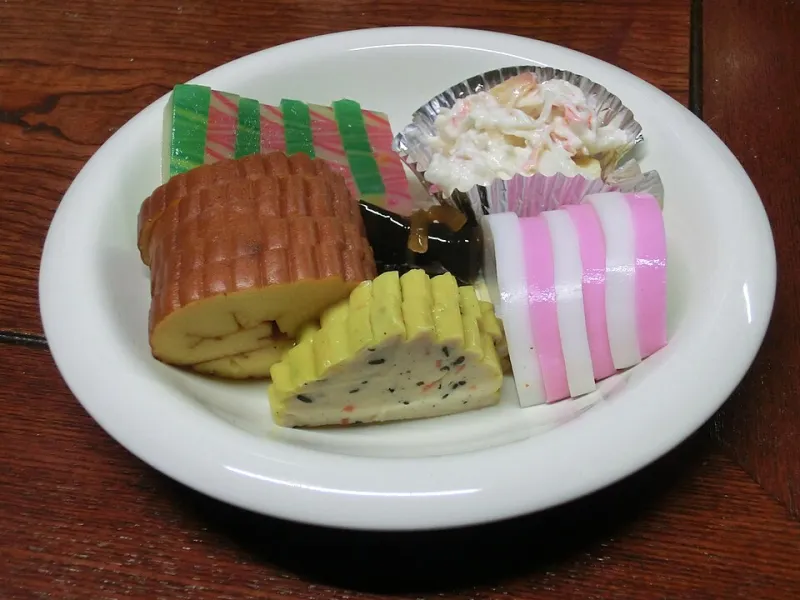
Photo: Windshear, CC BY-SA 4.0, via Wikimedia Commons
The first time you look at a full osechi spread — the lacquered boxes, the twenty-odd little compartments, the herring roe and the black beans and the rolled omelet — it reads like something produced by professionals. Which, in Japan, it usually is. Families order their boxes months in advance, and department stores turn the whole thing into a logistics operation.
You don't need any of that. You need eight dishes, two days, and a willingness to let a few things be simpler than tradition demands. A small-batch osechi is one of the most satisfying cooking projects of the winter, and once you've done it once, January 1st stops being a takeout holiday.
Why bother making it yourself
The appeal isn't authenticity for its own sake. Osechi dishes are designed to be made ahead and eaten cold or at room temperature, which means the cooking is spread across days rather than crammed into a single stressful evening. Most of them keep for several days in the refrigerator. And the flavor profile — sweet, salty, vinegary, deeply savory — is bright and clean after weeks of holiday richness, which is the entire point.
The eight dishes
Pick from these. Two or three vegetable dishes, one or two proteins, the omelet, the black beans, and one festive rice or soup to round it out.
1. Kuromame (simmered black beans). The classic. Soybeans simmered low with soy sauce and sugar until glossy and almost candied. Buy dried black soybeans; they need overnight soaking, so they set the schedule. No pressure to make these beautiful — they'll be dark and wrinkly and taste wonderful.
2. Kazunoko or a substitute. Real herring roe is expensive and hard to find fresh. Marinated herring roe in a jar is the practical route, or skip it entirely and don't feel bad. You can substitute a small dish of marinated salmon roe (ikura) if you want the visual pop.
3. Nimono (simmered root vegetables). Lotus root, burdock, carrots, and konnyaku simmered in dashi, soy, mirin, and a little sugar. This is the workhorse dish and the one people actually eat. Cut everything into similar-size pieces so they cook evenly.
4. Kurikinton (sweet chestnut mash). Sweet potato mashed with sugar and folded with chestnuts. Shortcut version: roasted sweet potato, a little sugar, a splash of mirin, and vacuum-packed chestnuts. Looks like gold on the table.
5. Datemaki (rolled sweet omelet). Eggs, sugar, mirin, a pinch of salt, cooked thin in a pan and rolled into a log while warm. Slice it cold. The rolling takes one try to learn. Use a silicone mat and keep the heat low.
6. Renkon no amazu-zuke (vinegared lotus root). Thin-sliced lotus root briefly blanched, then soaked in rice vinegar, sugar, and a pinch of salt. Crunchy, pale, and a nice counterpoint to everything sweet.
7. Kobumaki (konbu rolls with fish). Rolled kelp stuffed with salmon or white fish, tied with a strip of kampyo or a toothpick, and simmered in the sweet-soy liquid. This one is the showstopper and also the fussiest. If you're short on time, a simpler simmered fish cake (kamaboko) works fine.
8. Ozoni (New Year soup with mochi). Make the dashi ahead, keep it in the fridge, and assemble bowls on the day. Add mochi, a piece of chicken or fish, carrots, and greens.
Ingredient notes and substitutions
A few swaps that keep things achievable without gutting the character of the meal:
- Dashi: Instant dashi powder or dashi packets are fine and fast. Make a big batch of stock on day one and refrigerate it.
- Konnyaku: Sold shelf-stable in blocks or noodles. Rinse and blanch before simmering to remove the earthy edge.
- Mochi: Vacuum-sealed blocks are more convenient than fresh, and they hold up in soup. Do not substitute regular sweet rice flour mochi — the texture in ozoni will be wrong.
- Mirnin and sake: If you avoid alcohol, use a non-alcoholic mirin-style seasoning and a splash of stock in place of the sake. The sweetness is the point.
- Burdock (gobo): Scrub rather than peel, and drop into acidulated water immediately or it browns fast.
- Lacquer boxes: Skip them. A large shallow platter, a wooden board, or a few small bowls arranged together all read as festive.
The shopping list
Produce: lotus root, burdock, carrots, sweet potato, spinach or mizuna, fresh ginger Dry goods: dried black soybeans, dried shiitake, dashi packets or powder, konnyaku, chestnuts (vacuum-packed), kampyo, rice vinegar, mirin, soy sauce, sugar, sake or substitute, mochi blocks Protein and deli: rolled kelp sheets, a piece of salmon, kamaboko or fish cake, marinated herring roe (optional), chicken for the soup Eggs and dairy: a dozen eggs
Two-day timeline
**Day 1 (December 30)
- Morning:** Rinse and soak the black soybeans (8 hours minimum). Make the dashi — a full pot — and refrigerate. Soak any dried shiitake in a portion of warm dashi.
- Afternoon:** Start the kuromame. Simmer gently for 2–3 hours, adding water to keep them covered, sweetening gradually at the end. Do not boil hard or the skins split.
- Evening:** Blanch and slice the lotus root, make the vinegar pickle, and refrigerate. Assemble and begin simmering the nimono, then let it cool in its liquid overnight — it improves.
**Day 2 (December 31)
- Morning:** Peel and roast the sweet potato, mash while warm, fold in the chestnuts, and portion into small bowls. Roll and slice the datemaki, then refrigerate.
- Afternoon:** Make the kobumaki, or a simpler simmered fish dish if you're running out of goodwill. Keep it in the liquid.
- Evening:** Prep the ozoni components — cut vegetables, portion the chicken, hold the mochi separate. Arrange everything in shallow containers so January 1 is pure assembly.
January 1: Warm the dashi, drop in mochi and vegetables, and put out the rest as-is. Pour something cold or hot, put your feet up, and eat.
One last piece of advice
Don't try to make the whole traditional list. Eight dishes is plenty for a household of four to six, and half of them will be gone by the second day anyway. The spirit of the meal is abundance and anticipation, not a full gastronomic archive — and a scaled-down table you actually enjoyed making beats an elaborate one you resented.